
How Smart Home Technology Is Changing Everyday Living
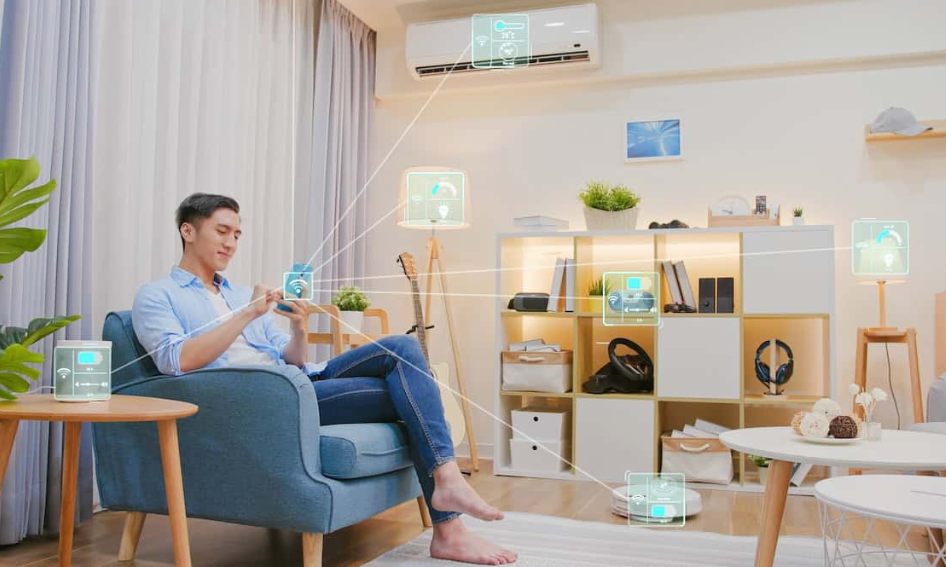
Technology has gradually moved beyond computers and smartphones and entered the places where people spend most of their time. The modern home can now include connected lights, smart thermostats, security cameras, voice assistants, automated appliances, and other devices designed to make daily routines easier. This growing collection of connected products is commonly known as smart home technology.
One of the biggest advantages of a smart home is convenience. Instead of manually controlling every device, homeowners can use mobile applications or voice commands to manage different functions. Lights can be scheduled to turn on at particular times, thermostats can adjust temperatures automatically, and appliances can sometimes be monitored remotely. These small improvements can save time and make ordinary household tasks more manageable.
See also: Gaseping com || gaseping
Energy management is another important area where smart technology can make a difference. Traditional household devices may continue operating even when nobody needs them. Smart systems can use schedules, sensors, and usage information to reduce unnecessary consumption. For example, connected lighting can switch off when a room becomes empty, while intelligent heating systems can adjust settings according to household routines.
Home security has also benefited from connected technology. Smart cameras, doorbells, locks, and motion sensors can provide homeowners with information about activity around their property. Some systems send notifications directly to a smartphone when unusual movement is detected. This allows people to monitor their homes even when they are away.
However, smart homes also introduce new responsibilities. Connected devices collect and transmit information, which means users should pay attention to privacy and security. Strong passwords, regular software updates, secure Wi-Fi networks, and reliable manufacturers can help reduce potential risks.
Compatibility is another consideration. Not every smart device works seamlessly with every platform. Before purchasing several products, consumers should consider whether those devices can communicate with one another. Choosing products based on a common ecosystem can make future expansion easier.
The development of smart home technology is likely to continue as devices become more affordable and intelligent. Artificial intelligence may allow systems to understand household habits and respond with less manual input. Instead of simply following commands, future devices may become better at anticipating routine needs.
Smart home technology demonstrates how digital innovation can influence ordinary life. Its greatest value is not necessarily in having the largest number of connected devices, but in using technology thoughtfully to improve comfort, efficiency, security, and convenience.