
Smart Ways to Make a Small Home Feel More Spacious
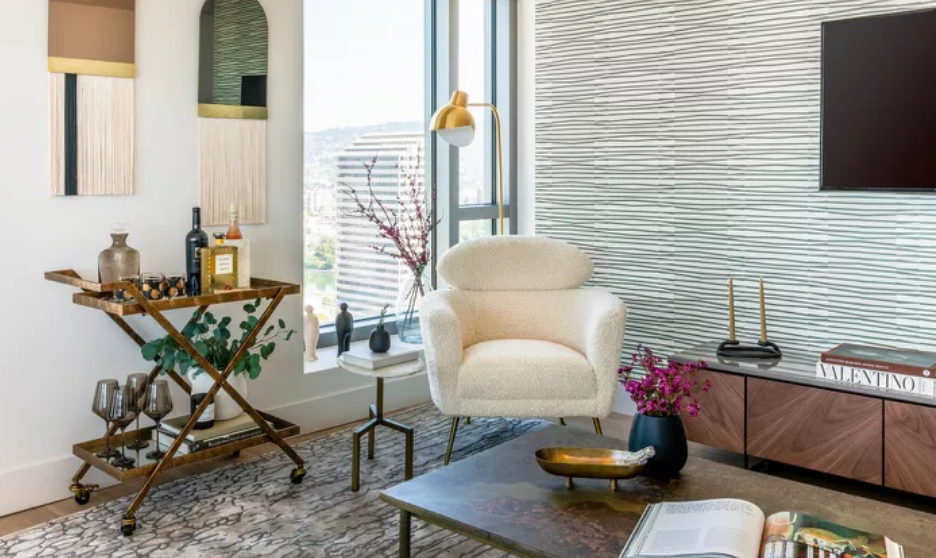
A small home does not have to feel cramped or uncomfortable. With thoughtful planning, furniture placement, lighting, storage, and color choices, even a compact room can feel more open and functional. Home improvement is not always about adding square footage. Sometimes, the biggest transformation comes from using existing space more intelligently.
Start by Removing Visual Clutter
One of the easiest ways to make a room appear larger is to reduce unnecessary items. Crowded shelves, overloaded tables, and furniture that serves little purpose can make even a reasonably sized room feel restricted.
Begin by examining what is actually used. Items that are rarely needed can be stored elsewhere, donated, or removed. Keeping frequently used belongings organized also makes the room easier to maintain.
Choose Furniture Carefully
Large furniture can quickly dominate a small room. Instead of automatically selecting the biggest sofa or storage unit available, consider pieces that match the room’s proportions.
Furniture with exposed legs can sometimes create a lighter visual appearance because more of the floor remains visible. Multi-purpose pieces can also be useful. An ottoman with internal storage or a bed with built-in drawers can provide functionality without requiring additional floor space.
See also: Gaseping com || gaseping
Use Light to Your Advantage
Lighting can significantly affect how spacious a room feels. Natural light is particularly valuable because it creates openness and reduces dark corners.
Keep windows relatively clear where practical, and use curtains that allow daylight into the room. Mirrors can also reflect light and create the visual impression of additional depth.
Think Vertically
When floor space is limited, walls become valuable storage areas. Tall shelving units, wall-mounted cabinets, hooks, and floating shelves can provide storage without taking up as much floor area.
Vertical storage also draws the eye upward, which can make ceilings appear taller.
Create Clear Walking Paths
A room can feel larger when movement through it is easy. Avoid placing furniture where it blocks doors, windows, or common walking routes.
Before buying a new piece, measure the available space and consider how people will move around it. A beautiful piece of furniture is less useful if it makes the room difficult to navigate.
Keep the Design Consistent
Too many contrasting colors, patterns, and materials can make a small space feel visually busy. A relatively consistent color palette can create a smoother appearance.
This does not mean every item needs to match. A few carefully selected accents can add personality without overwhelming the room.
Make Every Area Useful
Small homes benefit from flexible spaces. A dining corner might double as a workspace, while a hallway could provide storage with a narrow cabinet or wall hooks.
Think about how each area is used throughout the day and look for opportunities to give individual spaces more than one purpose.
Improve Gradually
Making a small home feel larger does not require a complete renovation. Removing clutter, rearranging furniture, improving lighting, and adding practical storage can produce noticeable changes.
The goal is to create a home that feels comfortable, organized, and easy to use. When every item has a purpose and every area is planned thoughtfully, limited space can become an advantage rather than a constant challenge.
One Comment